

Opening Hours
Souq Al Zal operates on traditional market hours that differ from modern retail schedules. Most shops open around 8:00-9:00 AM and close for midday prayer (approximately 12:00-12:30 PM), then reopen around 4:00 PM and operate until 9:00-10:00 PM.
Friday schedules are different, with many shops opening only after Friday prayers (around 1:00-2:00 PM) and operating through the evening. Some smaller shops may remain closed entirely on Fridays.
During Ramadan, hours shift dramatically to accommodate fasting schedules. Shops typically open in late afternoon (around 3:00-4:00 PM) and stay open late into the night, sometimes past midnight, as shoppers visit after breaking their fast.
Individual shop owners set their own specific hours, so some variation exists. The market doesn’t have the standardized hours of a modern shopping center, which is part of its traditional character.
What You’ll Find at Souq Al Zal
Souq Al Zal offers a fascinating mix of traditional products, antiques, and unique items that reflect Saudi heritage:
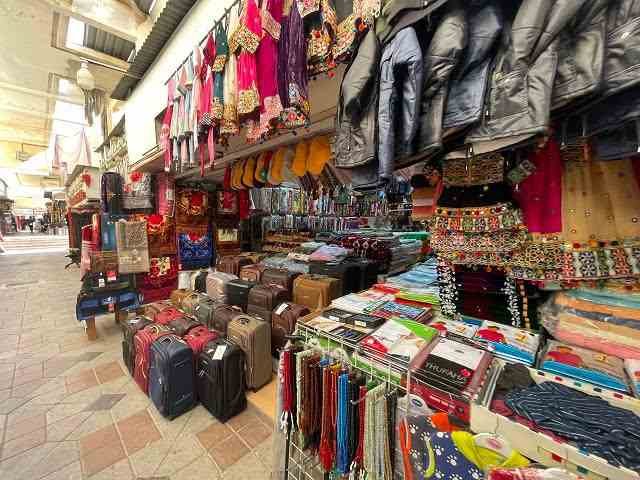
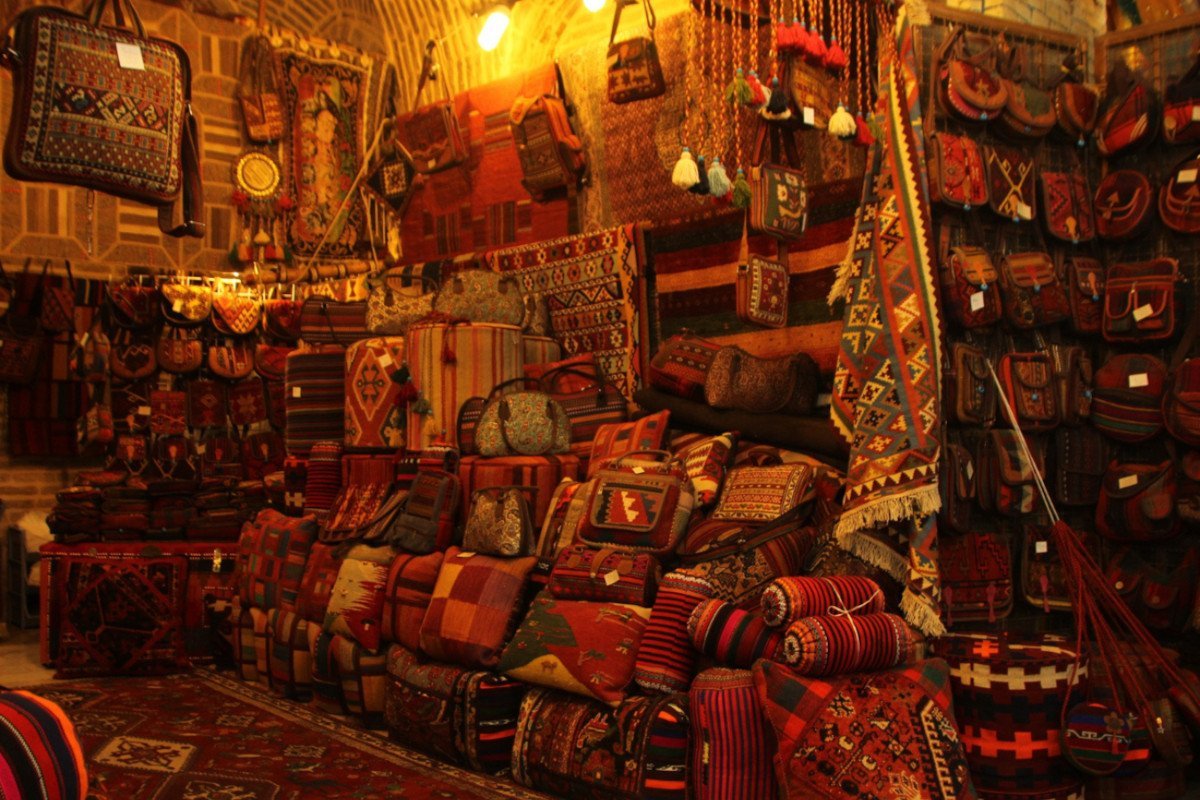
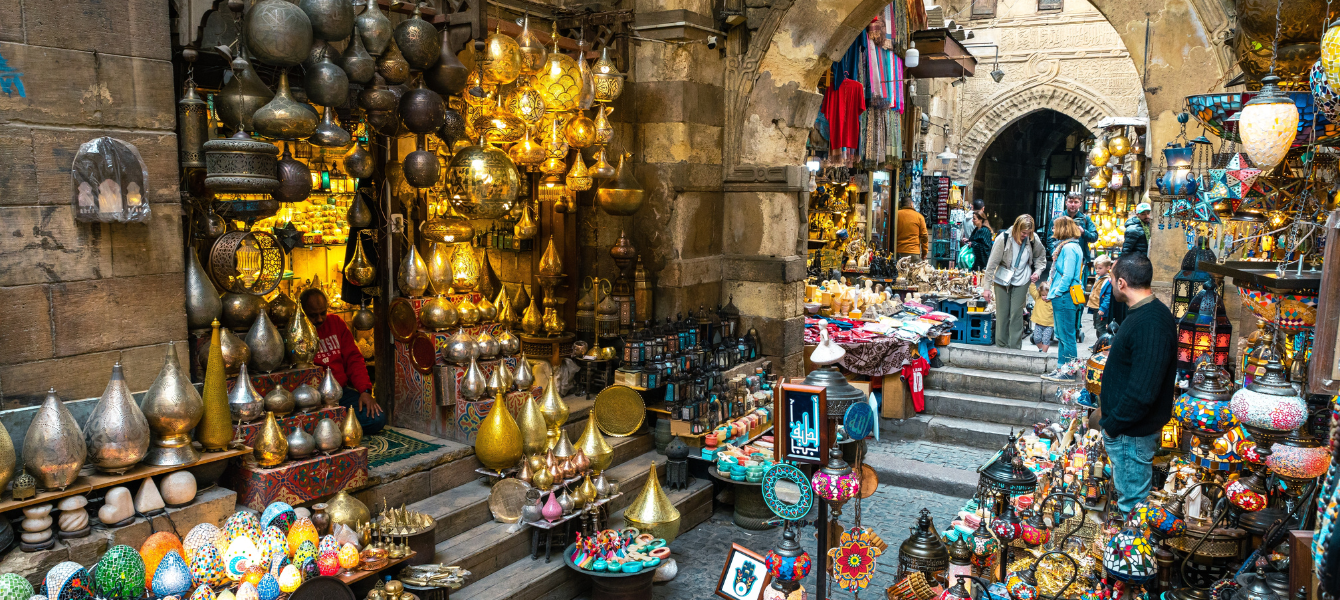
Traditional Carpets and Rugs: True to its name, Souq Al Zal still features shops selling traditional carpets, rugs, and textiles. The selection includes both new pieces and antique carpets with beautiful traditional patterns.
Antiques and Collectibles: This is where Souq Al Zal really shines. I’ve discovered old coins, traditional weapons, vintage jewelry, historical artifacts, and all manner of collectibles that tell stories of Saudi Arabia’s past. If you’re interested in antiques, Souq Al Zal is Riyadh’s best destination.
Traditional Handicrafts: Local handicrafts including pottery, metalwork, woodcarvings, and traditional Saudi crafts are available from various vendors. These make excellent souvenirs that carry genuine cultural significance.
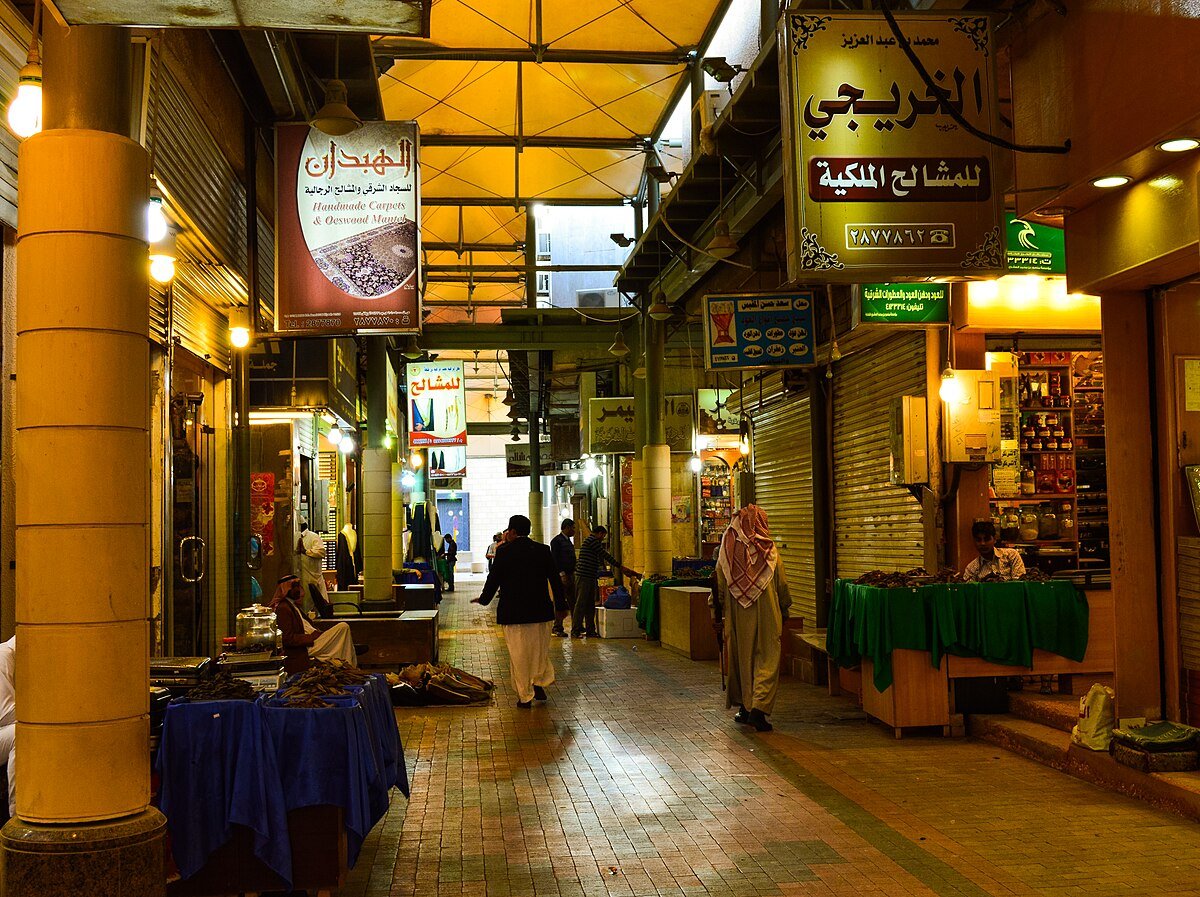
Spices and Traditional Foods: Several shops sell traditional spices, dried fruits, nuts, dates, and Saudi food products. The spice selection is particularly impressive, with varieties and freshness that supermarkets can’t match.
Perfumes and Oud: Traditional Arabian perfumes, oud, incense, and fragrance oils are available at multiple shops. The quality is generally good, and prices are reasonable compared to modern perfume boutiques.
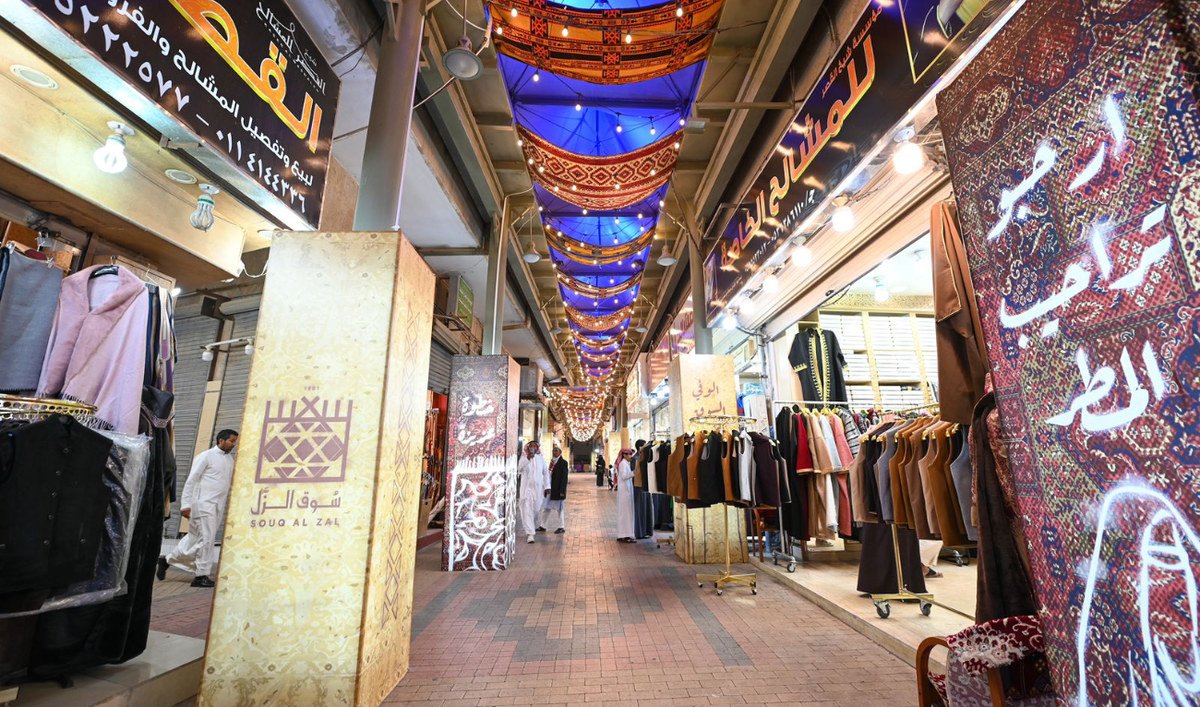
Traditional Clothing and Textiles: Shops sell traditional Saudi clothing, fabrics, and accessories. While not as extensive as some other markets, the selection focuses on quality traditional pieces.
Souvenirs and Gifts: Various shops cater to tourists seeking authentic Saudi souvenirs, from small handicrafts to traditional items that make meaningful gifts.
Shopping Experience and Tips
Shopping at Souq Al Zal is quite different from modern retail, and understanding the culture enhances the experience:
- Bargaining is Standard: Like all traditional souks, bargaining is expected at Souq Al Zal. I typically start by asking the price, then offer about 60-70% of the initial quote. We usually settle somewhere in between. The negotiation process is friendly and part of the cultural experience—don’t be shy about bargaining.
- Cash is Preferred: While some shops accept cards, cash is king at Souq Al Zal. I always bring sufficient Saudi Riyals when visiting. Having smaller bills is helpful, as shop owners may not always have change for large notes.
- Take Your Time: The beauty of Souq Al Zal is in the discovery. I never rush through this market—browsing slowly, examining items carefully, and chatting with shop owners often leads to the best finds. Some of the most interesting items are tucked away in corners or back rooms.
- Authenticity Varies: When buying antiques or traditional items, authenticity and quality vary significantly. I examine items carefully and, for expensive pieces, don’t hesitate to ask about provenance. Building relationships with reputable shop owners helps ensure quality.
- Language: Arabic is the primary language, though some shop owners speak basic English, especially those accustomed to tourists. Translation apps are helpful, and I’ve found that shop owners are generally patient in working through language barriers.
- Photography: Always ask permission before photographing shops or products. Most shop owners are happy to allow photos, but it’s respectful to ask first.
Cultural Significance
What I appreciate most about Souq Al Zal is its cultural significance. This isn’t a market created for tourists—it’s a genuine piece of Riyadh’s commercial heritage that has served the city for over a century. The market represents traditional Saudi commerce, craftsmanship, and the souk culture that was once central to Arabian cities.
Walking through Souq Al Zal provides insights into how Riyadh residents shopped before modern malls, how traditional crafts were sold and traded, and how commercial relationships were built through personal connections and trust rather than impersonal retail transactions.
For tourists interested in understanding Saudi culture beyond modern developments, Souq Al Zal offers authentic cultural immersion. The market, the products, the bargaining process, and the atmosphere all reflect traditional Saudi commercial culture.
Combining with Other Experiences
Souq Al Zal’s location in the historic Al Dirah district makes it easy to combine with other cultural and shopping experiences. The area is home to several other traditional markets, historic sites, and cultural landmarks.
After shopping at Souq Al Zal, I often explore nearby areas of Al Dirah, visit other traditional souks, or stop at local restaurants for authentic Saudi cuisine. The entire district rewards exploration, with traditional architecture, historic buildings, and glimpses of old Riyadh that have largely disappeared from other parts of the city.
For those interested in exploring more traditional markets in Riyadh, our guide to traditional souks in Riyadh covers all the major markets and their unique characteristics. And for information about authentic Saudi products and souvenirs to look for at Souq Al Zal and other markets, check out our guide on what to buy in Riyadh.
My Honest Take
Souq Al Zal isn’t the largest or most famous market in Riyadh, but it’s my favorite for finding unique items and experiencing authentic souk culture. The antiques and collectibles here are genuinely interesting—I’ve spent hours browsing shops, discovering historical artifacts, and learning about Saudi heritage from knowledgeable shop owners.
The market requires patience and willingness to engage with traditional shopping culture. If you’re looking for quick, convenient shopping, a mall is a better choice. But if you want to discover unique finds, experience authentic Saudi commerce, and explore a piece of Riyadh’s history, Souq Al Zal delivers something special.
I recommend visiting Souq Al Zal on a weekday morning when you have time to browse without rushing. Bring cash, wear modest clothing, and approach the experience with curiosity and openness. You might not find everything you’re looking for, but you’ll almost certainly discover something unexpected—and that’s exactly what makes traditional souk shopping rewarding.
Frequently Asked Questions
Q: What makes Souq Al Zal different from other markets in Riyadh?
A: Souq Al Zal is one of Riyadh’s oldest markets and is particularly known for antiques, collectibles, and traditional handicrafts. While other markets may be larger or more focused on specific products, Souq Al Zal offers the best selection of historical items and unique finds that reflect Saudi heritage.
Q: Are the antiques at Souq Al Zal authentic?
A: Authenticity varies. Some items are genuinely antique and historically significant, while others may be reproductions or of questionable age. I examine items carefully, ask questions about provenance, and, for expensive pieces, consider seeking expert opinion. Building relationships with reputable dealers helps ensure authenticity.
Q: Is Souq Al Zal suitable for tourists who don’t speak Arabic?
A: Yes, though Arabic is the primary language. Some shop owners speak basic English, especially those accustomed to tourists. Translation apps are helpful, and I’ve found that shop owners are generally patient and willing to work through language barriers. The shopping experience is accessible even without Arabic language skills.
Q: How much should I budget for shopping at Souq Al Zal?
A: This depends entirely on what you’re buying. Small souvenirs and handicrafts might cost SAR 20-100, traditional items and spices SAR 50-200, while antiques and collectibles can range from SAR 100 to several thousand depending on the item. Bargaining can reduce prices by 20-40% from initial quotes.
Q: Can I find good souvenirs at Souq Al Zal?
A: Absolutely. Souq Al Zal offers some of the most authentic and unique souvenirs in Riyadh, from traditional handicrafts and spices to antique items and cultural artifacts. The souvenirs here tend to be more genuine and culturally significant than mass-produced tourist items found elsewhere.
Q: Is it safe to carry cash at Souq Al Zal?
A: Yes, the market is safe during normal shopping hours. The area is busy with shoppers and vendors, creating a secure environment. I keep cash secure in a wallet or bag, stay aware of my surroundings, and take normal precautions as I would in any busy market.
Q: What’s the best thing to buy at Souq Al Zal?
A: This depends on your interests, but I particularly recommend the antiques and collectibles, traditional handicrafts, and spices. These items tend to be unique to Souq Al Zal and offer good value. The traditional perfumes and oud are also worth exploring.
Conclusion
Souq Al Zal represents Riyadh’s commercial heritage in its most authentic form. This historic market, operating for over a century, offers a shopping experience that connects visitors to Saudi Arabia’s past while providing access to unique products that modern retail simply can’t match.
For tourists seeking cultural immersion and authentic experiences, Souq Al Zal is essential. The antiques, traditional handicrafts, and historic atmosphere provide insights into Saudi heritage that enhance any visit to Riyadh. For shoppers seeking unique finds and one-of-a-kind items, the market delivers discoveries that make the traditional shopping experience worthwhile.
I encourage you to visit Souq Al Zal, ideally on a quiet weekday morning when you can browse at leisure and engage with shop owners. Bring cash, wear modest clothing, and approach the experience with curiosity. You’ll discover a side of Riyadh that exists far from the modern city’s glass towers and air-conditioned malls—and you’ll likely find some treasures to take home.
For a complete overview of shopping in Riyadh, from historic souks like Al Zal to modern malls and everything in between, visit our comprehensive shopping in Riyadh guide.