

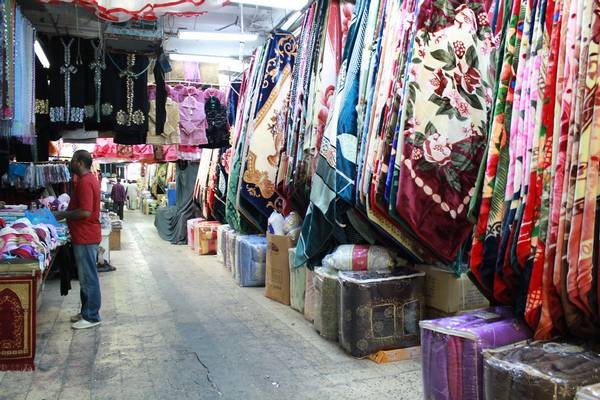
What You’ll Find at Al Batha Market
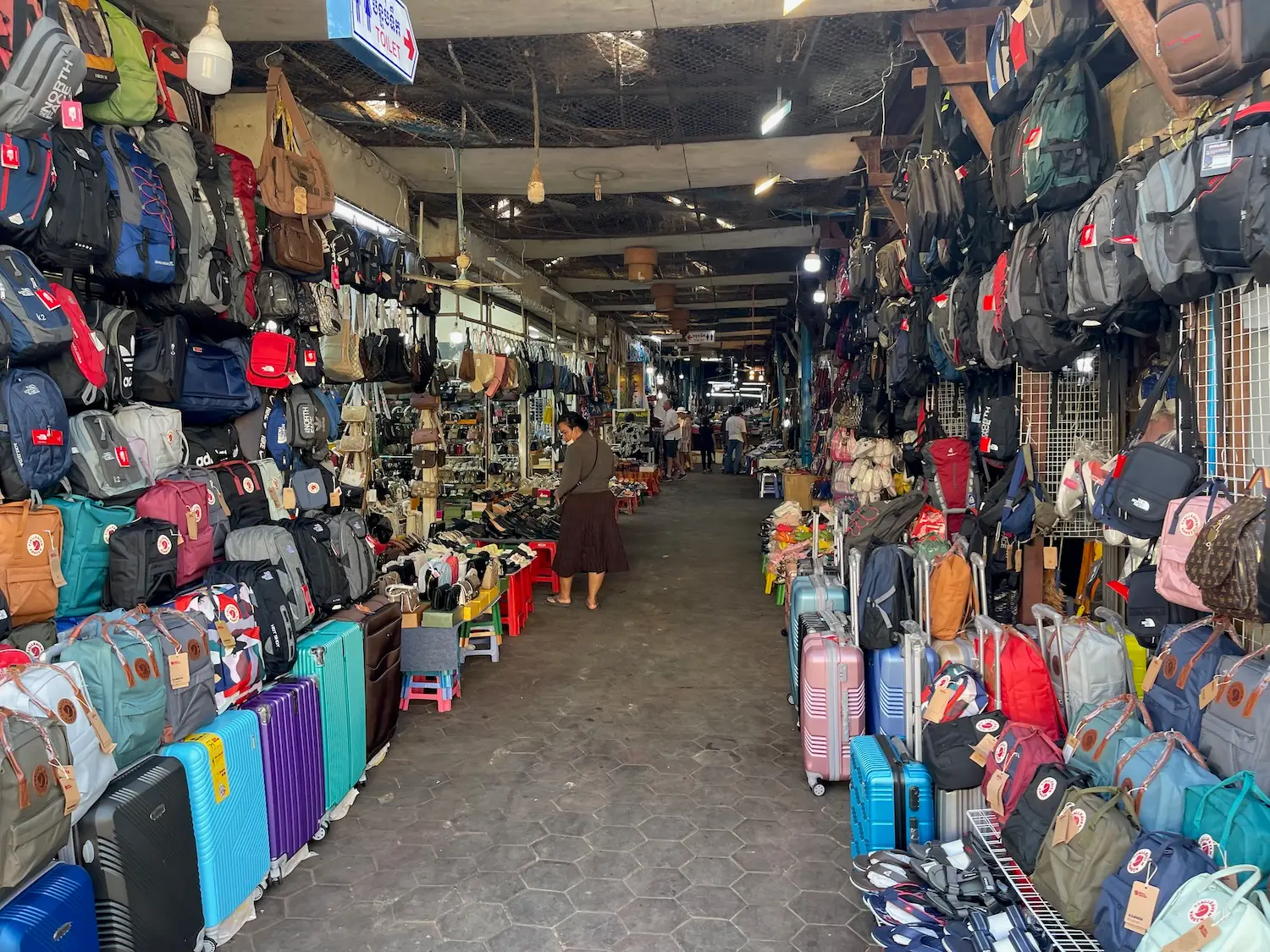
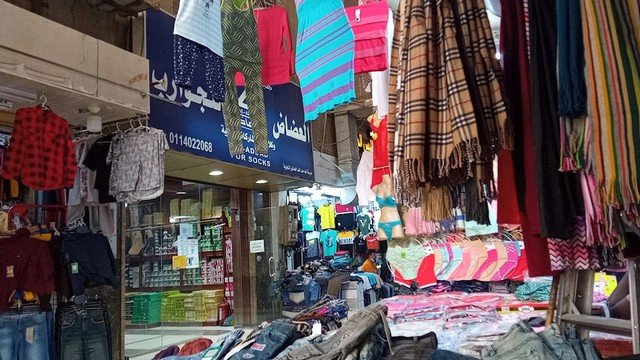
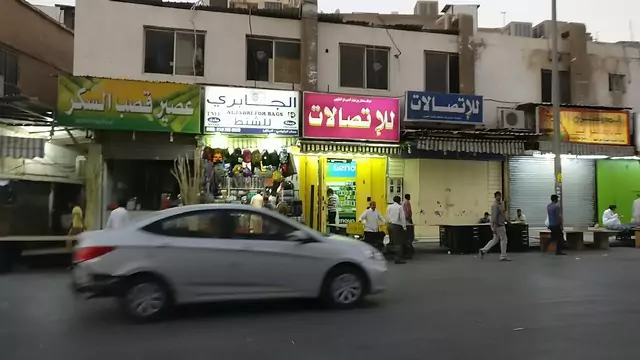
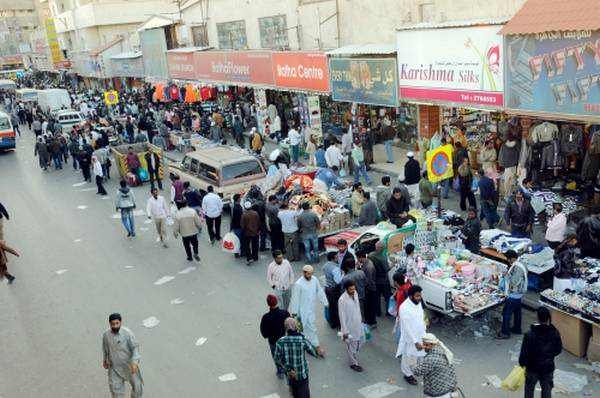
The diversity of products at Al Batha Market is remarkable. Here’s what draws me back repeatedly:
Textiles and Fabrics: Al Batha is famous for its textile shops selling fabrics by the meter, from everyday cotton to luxurious silks and traditional Saudi textiles. The fabric selection is extensive, and prices are excellent compared to retail stores. I’ve purchased fabric here for traditional clothing and home projects at a fraction of mall prices.
Traditional Saudi Clothing: Shops throughout the market sell thobes (traditional men’s robes), abayas (women’s robes), ghutras (headscarves), and all the accessories that accompany traditional dress. The quality ranges from everyday wear to premium pieces, with prices significantly lower than mall boutiques.
Household Goods: You’ll find everything from kitchen utensils and cookware to cleaning supplies and home organization items. The selection is practical rather than decorative, focused on functional items at affordable prices.
Spices and Traditional Foods: Several shops sell spices, dried fruits, nuts, and traditional Saudi food products. The spice selection is particularly impressive, with varieties and prices that supermarkets can’t match.
Perfumes and Oud: Traditional Arabian perfumes, oud, and incense are available at numerous shops. While not as extensive as dedicated perfume souks, the selection is solid and prices are reasonable.
Electronics and Accessories: You’ll find phone accessories, cables, chargers, and various electronic odds and ends at prices well below retail. I’m cautious with electronics here—stick to simple accessories rather than expensive items where authenticity matters.
Toys and Children’s Items: Affordable toys, children’s clothing, and baby items are available throughout the market.
Shopping Tips for Al Batha Market
Shopping at Al Batha requires a different approach than mall shopping. Here’s what I’ve learned:
Bargaining is Expected: Unlike fixed-price retail stores, negotiation is part of the Al Batha shopping experience. I typically start by asking the price, then offering 60-70% of the initial quote. We usually settle somewhere in the middle. Don’t be afraid to walk away—shop owners will often call you back with a better price.
Cash is King: While some larger shops accept cards, cash is preferred and sometimes required. I always bring sufficient Saudi Riyals when shopping at Al Batha. Having exact change or smaller bills helps, as shop owners may not always have change for large notes.
Compare Prices: With dozens of shops selling similar items, comparing prices across multiple vendors is easy and worthwhile. I usually browse several shops before making significant purchases to understand the price range.
Inspect Items Carefully: Check quality, sizing, and condition before purchasing. Returns and exchanges are generally not possible at traditional markets like Al Batha, so I make sure I’m satisfied before buying.
Language: While some shop owners speak English, Arabic is the primary language at Al Batha. Basic Arabic phrases or translation apps are helpful. I’ve found that shop owners are generally patient and willing to work through language barriers.
Dress Modestly: Al Batha is a traditional area, and modest dress is respectful and appropriate. I ensure my clothing is conservative when visiting.
Nearby Shopping and Attractions
Al Batha’s location in Riyadh’s historic district puts it near other traditional shopping areas. After shopping at Al Batha, I often visit nearby souks and markets, creating a full day of traditional shopping in Riyadh.
The area is also close to some of Riyadh’s historical sites, making it possible to combine cultural sightseeing with shopping. The traditional architecture and atmosphere of the Al Batha district itself provides cultural context that modern shopping areas lack.
For those interested in exploring more of Riyadh’s traditional market scene beyond Al Batha, our comprehensive guide to traditional souks in Riyadh covers all the major markets and what makes each unique. And for a complete overview of all shopping options in the capital, from traditional souks to modern malls, check out our main shopping in Riyadh guide.
My Experience Shopping at Al Batha
I’ll be honest—my first visit to Al Batha Market was slightly overwhelming. Coming from organized, air-conditioned malls, the bustling, open-air market atmosphere took adjustment. But once I understood how to navigate the market, bargain effectively, and identify quality shops, Al Batha became one of my favorite shopping destinations in Riyadh.
What I appreciate most is the authenticity. This is real Riyadh shopping, not a sanitized tourist experience. The shop owners are friendly once you engage with them, the prices are genuinely affordable, and the variety of traditional goods is impressive. I’ve purchased traditional clothing, household items, and spices at Al Batha that I couldn’t find anywhere else in the city.
The market isn’t for everyone, if you prefer air-conditioning, fixed prices, and modern retail environments, stick to malls. But if you want to experience authentic Saudi shopping culture, find genuine bargains, and explore a side of Riyadh that many tourists miss, Al Batha Market delivers.
Frequently Asked Questions
Q: Is Al Batha Market safe for tourists?
Yes, Al Batha Market is safe during normal shopping hours. The area is busy with shoppers and shop owners, creating a secure environment. I recommend visiting during daylight hours, staying aware of your surroundings, and keeping valuables secure as you would in any busy market.
Q: How much time should I allocate for visiting Al Batha Market?
A: Plan for at least 2-3 hours to properly explore the market, browse multiple shops, and engage in bargaining. If you’re making specific purchases and know what you want, 1-2 hours may suffice. I usually spend a full morning when I visit, allowing time to explore thoroughly.
Q: Can I use credit cards at Al Batha Market?
A: Some larger shops accept credit cards, but cash is preferred and often required. I always bring sufficient Saudi Riyals when visiting Al Batha. ATMs are available in the area if you need to withdraw cash.
Q: Is bargaining really necessary at Al Batha?
A: Yes, bargaining is expected and part of the shopping culture. Initial prices quoted are typically inflated with the expectation of negotiation. Don’t feel uncomfortable bargaining—it’s the normal way of doing business at traditional markets like Al Batha.
Q: What should I wear when visiting Al Batha Market?
A: Dress modestly and conservatively. For men, long pants and shirts with sleeves are appropriate. For women, modest clothing covering arms and legs is recommended, and many women choose to wear an abaya. This shows respect for the traditional nature of the area.
Q: Are there restrooms available at Al Batha Market?
A: Public restroom facilities are limited in the traditional market area. Some larger shops may allow customers to use facilities, and there are mosques in the area with restroom access. I usually use facilities at a nearby restaurant or café.
Q: Can I find authentic Saudi products at Al Batha?
A: Yes, Al Batha is excellent for authentic Saudi products including traditional clothing, textiles, spices, and household items. The market caters primarily to local shoppers, so the products reflect genuine Saudi preferences rather than tourist-oriented merchandise.
Q: How do prices at Al Batha compare to shopping malls?
A: Prices at Al Batha are significantly lower than malls for comparable items, often 30-60% less. The trade-off is the traditional market environment versus modern mall comfort. For budget-conscious shoppers, Al Batha offers excellent value. For more information on budget shopping throughout Riyadh, see our budget shopping guide.
Conclusion
Al Batha Market represents authentic Riyadh shopping at its finest—bustling, traditional, and genuinely affordable. While it lacks the air-conditioned comfort and fixed prices of modern malls, it offers something those retail centers can’t: a genuine connection to Riyadh’s commercial heritage and the opportunity to shop like locals have for generations.
For tourists seeking authentic experiences and shoppers looking for genuine bargains, Al Batha Market delivers. The textiles, traditional clothing, and household goods available here at fraction-of-retail prices make it worth navigating the traditional market environment. And the experience itself—bargaining with shop owners, exploring narrow market lanes, discovering unexpected finds—provides cultural immersion that enhances any visit to Riyadh.
I encourage you to visit Al Batha Market, ideally on a weekday morning when crowds are manageable and the shopping atmosphere is most relaxed. Bring cash, wear modest clothing, and approach the experience with openness to traditional shopping culture. You’ll discover a side of Riyadh that exists far from the modern malls and luxury boutiques—and you’ll likely find some bargains along the way.